
Rainer von Abt’s Artistic Trajectory
The Glass RoomThis flow traces the architect’s pursuit of space as art and his movement from a celebrated European commission toward exile and new work abroad.
increasing Bearing strength in each event
 decreasing
Bearing strength in each eventdecreasingA Poet of Space
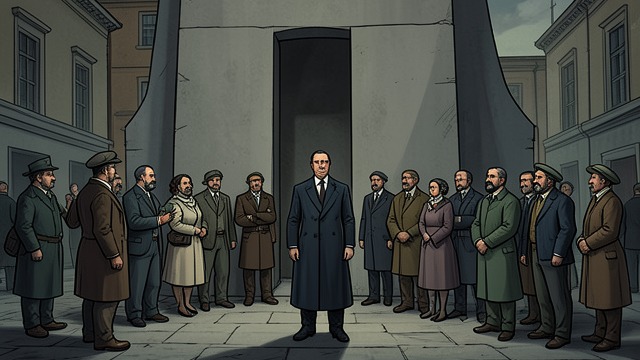
An Architect’s Self-Conception
Beyond building walls
Rainer von Abt describes himself as a poet of space and form rather than merely a builder. His drawings and models express a wish to enclose space without relying on ornament.
His ideas appeal to Viktor and challenge Liesel to imagine another way of living.
A commission begins
The Landauers ask him to design their home. The commission gives his abstract principles a demanding practical task: make a work of art that a family can actually inhabit.
The House as a Test
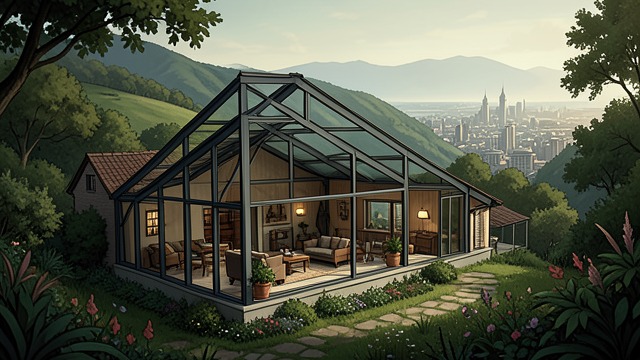
Ideals Meet Constraints
The upside-down proposal
At the sloping site, Rainer von Abt imagines a house organized around a lower living room and a steel frame. He treats the garden, hill, and city view as parts of one composition.
The plan unsettles Viktor, the contractor, and site workers who prefer conventional walls.
Negotiating art and use
Cost, weather, structure, and family needs challenge the architect’s vision. Liesel’s support helps the design survive resistance and become a building.
A Masterpiece in Use
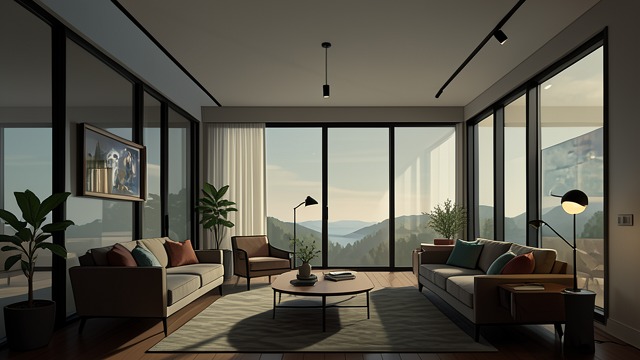
Architecture Enters Domestic Life
Recognition
The completed house brings Rainer von Abt public attention and is praised as a major work. He presents its aesthetic as a total environment rather than an isolated structure.
The furniture, partition, light, and view work together to create a designed way of living.
The clients’ contribution
Viktor and Liesel do not simply submit to the architect’s ideas. Their choices and family routines make the work a collaboration between artistic conception and domestic use.
The Exiled Architect
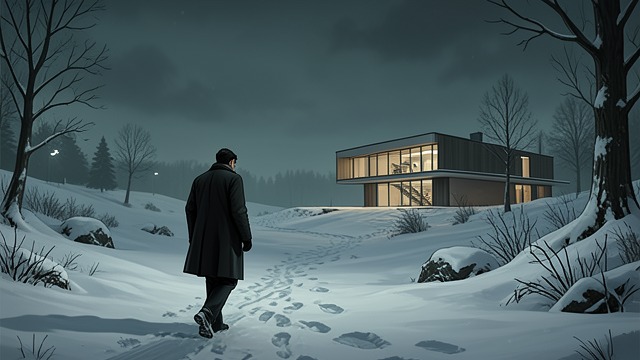
Work Beyond the Continent
A new career
Rainer von Abt works in Switzerland and then accepts an American university appointment. He refuses offers to serve the Nazi state, distancing himself from the political power now occupying Europe.
His career continues, but the European world in which the Landauer House was made is collapsing.
An unfinished connection
Liesel remembers Rainer as part of the house and the optimism of its creation. His departure leaves her with a link to the past that exists only through memory and occasional visits.
The House Outlives the Architect
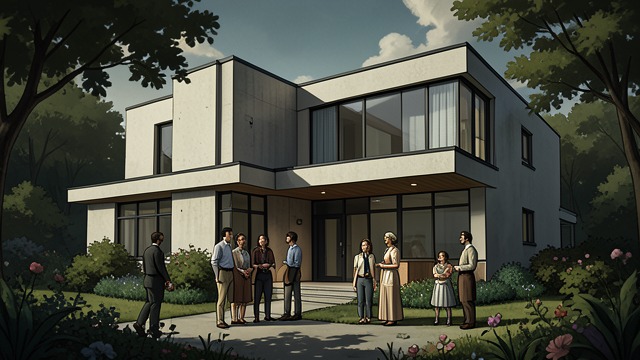
A Work Reinterpreted
A public masterpiece
The house is discussed as a landmark of European modernism long after Rainer von Abt has left the continent. Its restored appearance draws guides, journalists, and returning family members.
Public recognition cannot reproduce the context in which the architect and clients first imagined it.
A living legacy
The house’s meaning is shaped by later users, from laboratory workers to physiotherapists. Its legacy becomes larger than its original commission, though it remains connected to the family who made it a home.
At the Venice architecture exhibition
From the site visit through construction
At the housewarming and during the first years
After Rainer von Abt leaves Europe
During the 1990 heritage return
